

The Harvest Festival is the celebration of abundance and gratitude at the close of the growing season. Before the year turns fully inward, we pause with our children to notice what the earth has given, to bake the new-grain bread, to gather the last apples and leaves, and to share what we have with each other and with those who need it. This guide brings together everything you need to keep a simple, meaningful Harvest Festival at home.
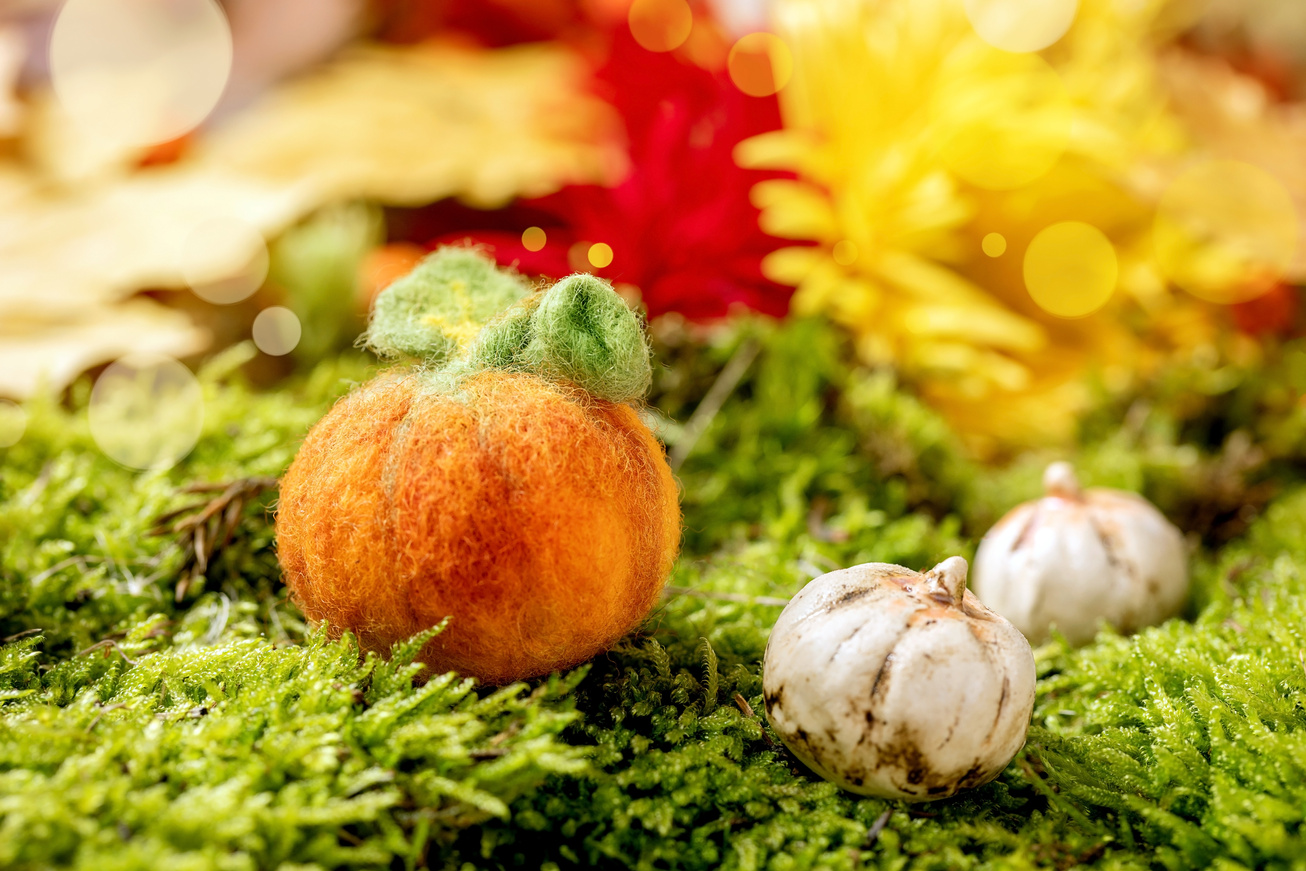
The Meaning of the Festival
The Harvest Festival allows us to celebrate the bounty of harvest and the goodness of the earth. It invites us to connect to our inner strength and courage as we face the cooler, darker months ahead, and it is an opportunity to do things of goodness and service to others.
Long before written history, farming communities across Northern Europe paused at the close of the grain harvest to give thanks for what the fields had yielded. The first sheaf cut was often kept aside as sacred, sometimes plaited into a corn dolly to hold the spirit of the grain through winter. The last sheaf was honoured too, carried home with singing. These old customs, bread-baking, gathering-in of apples and roots, processions with corn sheaves, and a shared meal of new-grain bread, shaped the way we keep this festival today.
The Harvest Festival is not about abundance for its own sake. It is about noticing, with the children, that everything on the table has come from somewhere, and that someone, or something, has laboured for it.
Why It Matters in Waldorf Education
The year breathes. Summer is an outbreathing into the warmth and light of the world; autumn is the beginning of an inbreathing, a turning toward the inner life and the hearth. The Harvest Festival sits at that threshold. It teaches the child, through doing rather than telling, that the earth gives and that we receive.
For early childhood, gratitude is not a moral lesson. It is a mood, carried in the parent’s gestures: the way the loaf is broken, the candle lit, the apple cut crosswise to reveal its star. Festivals work on the young child through reverence and atmosphere, not explanation.
For older children, harvest also begins the year’s quiet teaching about letting go. The fields are emptying, the light is shortening. To celebrate what has ripened, while accepting that it must now be cut down and stored, is the soul-gesture the season asks of us.
For the Southern Hemisphere
In the Southern Hemisphere, the autumn harvest falls in March and April. The Harvest Festival travels easily: the same loaf, the same grace, the same mandala on the grass, only warmer underfoot, with summer fruit still on the table alongside the first apples. Wait until you can feel the quiet turning of the light, and celebrate then.
In the Southern Hemisphere, the Harvest Festival is usually kept on its own, without Michaelmas imagery. The dragon story, the cardboard swords, and the Michael verse belong to September 29 in the Southern Hemisphere too, where they live inside the spring festival. In March or April, the festival is simply a harvest: gratitude, gathering-in, sharing. Everything below fits just as it is.
The Week Before
Pick a date. Wait until autumn is clearly visible through foliage, harvest, and weather. Early October usually works well.
Set up a seasonal table. Use warm autumn colours (golden yellow, orange, red). Gradually collect natural elements: dried leaves, cones, autumn berries, acorns.
Walk to a farm or market. Visit a farm shop, orchard, or farmers’ market. Let the children carry the basket. Talk about who grew each thing.
Begin the preparations. Polish apples, wipe pumpkins, lay out wheat or barley stalks if you have them. Gather high-quality paper and crayons for leaf rubbings. Soak dried beans or grains if you are making a harvest soup.
Bake together. On one of the days leading up, bake a loaf of bread together. Children love the rising and the kneading. Save a small braid for the festival itself.
Learn a song. The Farmer Poem or Come my Sisters, Come my Brothers (both below) work beautifully for this festival. Sing it at the breakfast table and again at bedtime, all week long.
Festival Day, Morning to Evening
Morning candle and verse. Light a beeswax candle on the breakfast table. Speak a short grace before eating. Let the day begin slowly, with porridge made from oats or fresh-milled grain.
A walk to gather the last gifts. Take a basket out into a field, garden, or park. Even in a city, leaves and seeds can be found. Carry them home with care.
Bread-baking and craft. Mid-morning, finish the harvest loaf. While it bakes, the children can make leaf rubbings, felted pumpkins, or autumn leaf garlands, or lay the table with leaves, candles, apples, and a corn dolly.
The festival meal. Sit down together. Break the bread with hands, not a knife. Share soup and the new bread. Speak each thanks aloud, naming the farmer, the baker, the rain, the sun.
The harvest mandala. In the garden or on a large cloth, arrange gathered harvest (or tins and packets of non-perishable food for donation) into a beautiful mandala pattern. Stand back together. If you have gathered food for donation, deliver it as part of the festival.
Evening story and song. As dusk falls, light the candle again. Tell the story of the Little Brown Mouse and the Last Sheaf below, sing one verse, and let the children carry the corn dolly to its place above the hearth or doorway, where it will stay until next sowing.
Recipe: Harvest Braided Loaf (Zopf)
A plaited loaf, golden and slightly sweet, ideal for the festival table. Makes one large braid.
Ingredients
500 g strong white bread flour (or half white, half spelt)
7 g instant dried yeast (or 15 g fresh)
10 g fine sea salt
40 g honey
60 g soft butter
1 egg, plus one yolk for glazing
250 ml warm milk
Method
Warm the milk gently and dissolve the honey in it. In a large bowl, mix the flour, yeast, and salt. Add the milk, butter, and egg. Knead for ten minutes until smooth and elastic. Cover and leave to rise for about an hour and a half, until doubled.
Knock back and divide into three equal pieces. Roll each into a long rope, pinch the tops together, and braid loosely. Place on a lined tray, cover, and let rise again for forty-five minutes. Brush with the egg yolk beaten with a spoon of milk. Bake at 190 C for 25 to 30 minutes, until deeply golden and hollow-sounding when tapped. Cool on a rack before breaking.
Spiced Harvest Apple Cakes
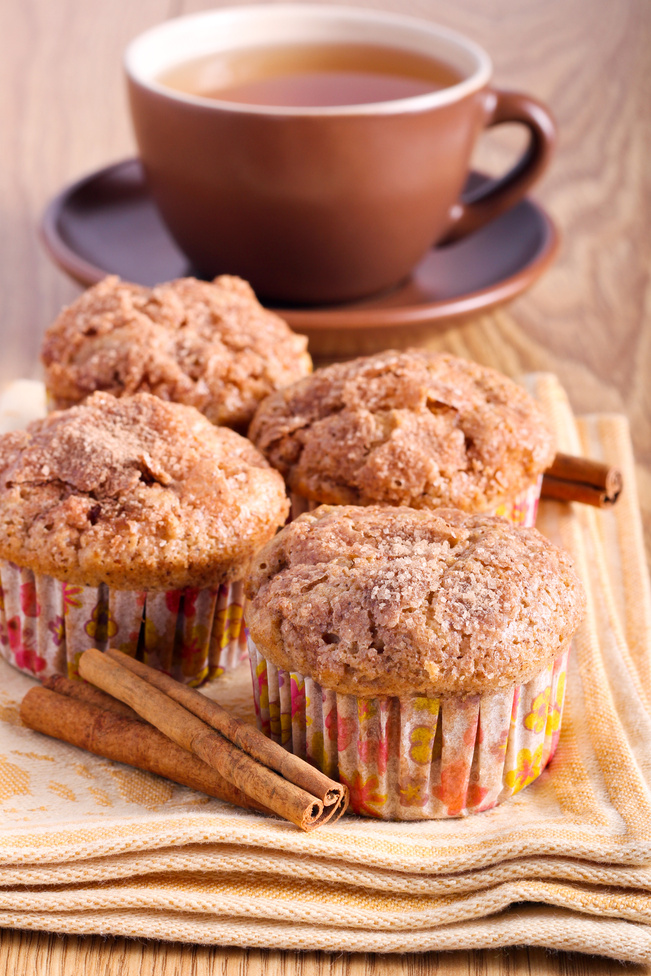
Makes about 12 muffins.
Ingredients
2 cups flour
1 tsp baking soda
1 tsp cinnamon, ½ tsp nutmeg, ¼ tsp cloves, ½ tsp salt
½ cup butter, softened
¾ cup brown sugar
2 eggs
1 tsp vanilla extract
1 cup grated apple
½ cup milk
Method
Preheat oven to 180 C (350 F) and line muffin tins with paper cases. Whisk flour, baking soda, spices, and salt in one bowl. In another, cream butter and sugar, then beat in eggs and vanilla. Stir in the grated apple. Alternate adding flour mixture and milk, stirring gently. Spoon batter into cases, sprinkle with a little extra sugar and cinnamon if you like, and bake for 18 to 20 minutes.
Apple Compote
Peel and core six cooking apples. Chop into chunks and put in a heavy pan with two tablespoons of water, the juice of half a lemon, two tablespoons of honey, and a small cinnamon stick. Cover and cook gently for fifteen minutes, stirring once or twice, until soft. Remove the cinnamon. Serve warm with cream or yogurt. Children can peel and stir.
Crafts
Leaf Rubbings
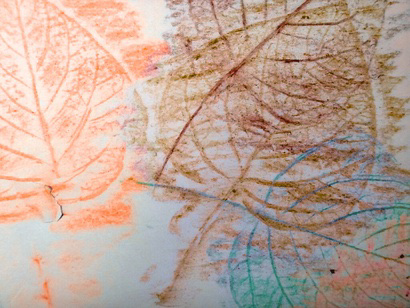
You will need: autumn leaves of different shapes (strong veins work best), white paper or card, peeled wax crayons or Waldorf block crayons, and optionally watercolour paint and a brush.
Collect freshly fallen leaves on a nature walk. Place leaves vein-side up on a smooth surface and lay the paper over the top. Using the side of the crayon, gently rub over the paper. The shape of the leaf will begin to appear. Experiment with different colours and layering. For an extra effect, once the rubbing is complete, lightly wash over the design with watercolours to add texture and colour.
Autumn Leaf Scenes
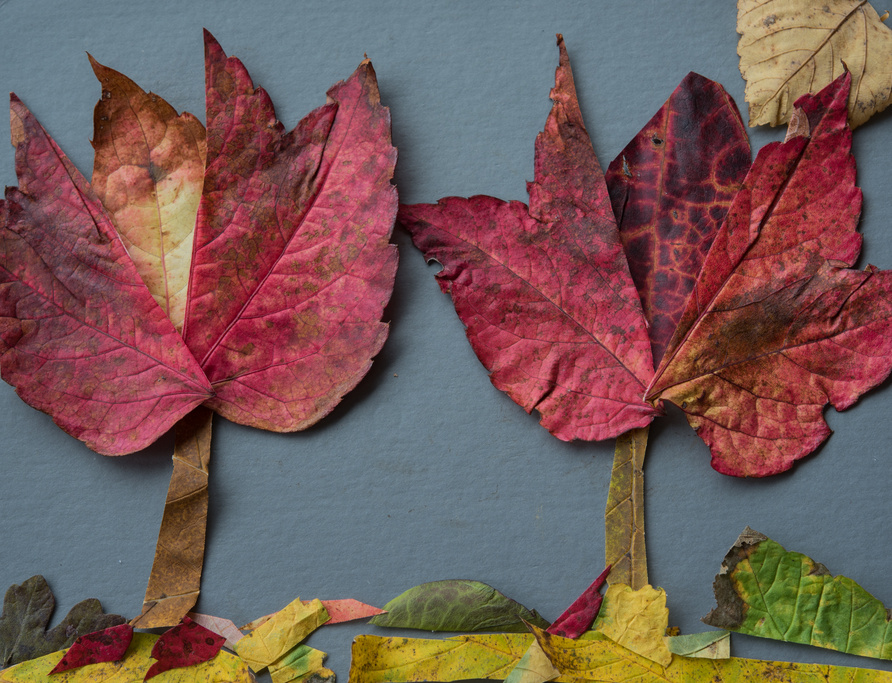
You will need: a variety of autumn leaves (pressed flat for a day), sturdy paper or cardstock, glue, scissors (optional), and markers or crayons for details.
Go on a nature walk to collect fallen leaves in shades of red, orange, yellow, and brown. If leaves are slightly curled, press them under a heavy book for a day before use.
Decide on the scene you want to create: an autumn landscape, swirling leaves in the wind, or a harvest basket. Arrange the leaves on the paper first to experiment with placement.
Once happy, glue the leaves down. Layer for texture.
Use markers or crayons to add extra details. Let the collage dry before moving.
Felted Wool Harvest Pumpkins
You will need: wool roving in autumn shades (orange, yellow, red, brown), warm soapy water, a felting needle (optional), and a scrap of green wool for the stem.
Roll a small amount of wool into a loose ball.
Dip it into warm, soapy water and gently roll it between your hands, adding pressure to firm it up.
Continue shaping until it forms a pumpkin shape. Add extra wool as needed for ridges.
Shape a small green wool stem and attach at the top. Let dry on a towel.
Autumn Leaf Garland
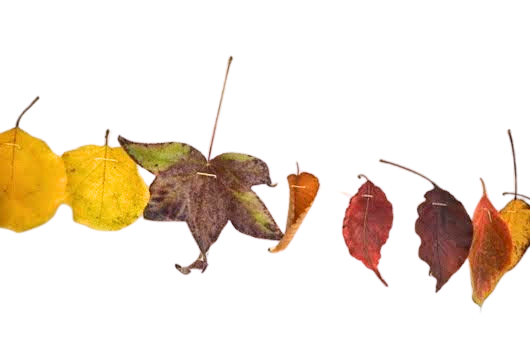
You will need: fallen autumn leaves (pressed for a day or two), natural twine or yarn, a needle or hole punch, and optional beeswax for preservation.
If desired, dip leaves in melted beeswax and let them dry on parchment paper to preserve.
Use a hole punch or needle to make small holes in the leaves near the stem.
Tie or thread leaves onto twine, alternating for a balanced look.
Continue until the garland reaches your desired length, then hang across a window, mantel, or nature table.
Walnut Shell Mice
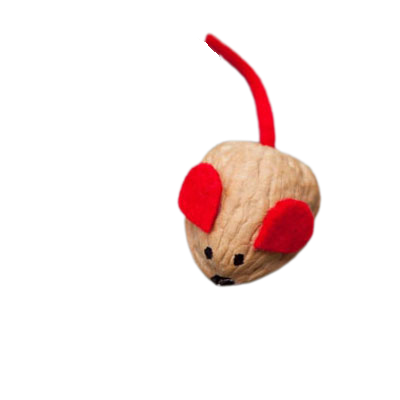
You will need: walnut shell halves (cleaned and dried), small pieces of felt, thin string or embroidery thread, strong craft glue or a glue gun, scissors, and a fine-tip marker.
Carefully crack open the walnuts and remove the nut, leaving clean half-shells. Sand any rough edges.
Cut two tiny felt ovals for the ears and a small round for the nose. Glue the ears to the inside edge of the shell so they peek out. Glue the nose to the pointed end.
Cut a small length of felt or thread about 5 cm. Glue one end to the inside back of the shell to make a tail.
Draw two tiny black dots for eyes near the nose. Let everything dry completely before playing.
These little mice tie beautifully into the Little Brown Mouse story below, and sit perfectly on the harvest nature table among the apples and grain.
Corn Dolly (simple braided sheaf)
You will need: a small bundle of wheat, barley, or oat straws with the heads still on, about fifteen to twenty stalks, plus red wool or ribbon.
Soak the straws in warm water for thirty minutes so they bend without snapping. Pat dry.
Gather the bundle so the heads are level at the top. Tie tightly with wool just below the heads.
Divide the stalks below the tie into three equal groups. Braid them down the length, keeping the plait firm but not crushed.
Tie off at the bottom with another wrap of wool. Trim the ends evenly.
Bend the braid into a loop or leave it straight. Hang above the hearth, doorway, or nature table.
Circle Verses and Songs
The Farmer Poem. Add movement based on the words: stamp feet, gallop, dig, pull up roots, stack.
A farmer awoke at the break of day,
He got on his horse and he galloped away,
He galloped away, he galloped away,
He got on his horse and he galloped away.
Oh, come all you farmers, Oh come, said he,
Our carrots and turnips for to see,
In the warm earth, they have grown so big,
We must bring our tools and dig and dig,
So fetch your spades and come along,
To dig up the roots with your arms so strong,
To lay them out in the sun to dry,
Then pile them up in the cart so high!
Autumn Comes (song).
Autumn comes, the summer is past,
Winter will come too soon.
Stars will shine clearer, skies seem nearer,
Under the harvest moon.
Come my Sisters, Come my Brothers (circle dance). Holding hands in a circle, walk in and raise arms on the first line, walk back on the second, turn slightly and move to the left for the next two, then repeat to the right.
Come my sisters, come my brothers,
at the sounding of the drum,
From the mountains, from the hilltops,
harvest in the autumn sun.
Golden shines our father sun,
silver shines our mother moon,
Come my sisters, come my brothers,
Harvest in the autumn sun.
Harvest grace.
Earth who gives to us this food,
Sun who makes it ripe and good,
Dear Earth, dear Sun, by you we live,
Our loving thanks to you we give.
(Christian Morgenstern, traditional in Waldorf early-years settings.)
Come, Ye Thankful People, Come. Henry Alford, 1844, public domain.
All is safely gathered in,
Ere the winter storms begin;
God, our Maker, doth provide
For our wants to be supplied;
Come to God’s own temple, come,
Raise the song of harvest home.
Group Activity: The Harvest Mandala
On festival day, collect harvested foods from the kitchen, or non-perishable goods you intend to donate, and arrange them as a beautiful mandala on the grass or a large cloth. Start with a special object in the centre (a large pumpkin, a loaf of bread, a basket of apples). Build outward in concentric rings, using repeating patterns of colours and shapes. Add smaller items like seeds, twigs, or buds to fill in the details. Stand back together when it is finished. Take a photograph.
Nature mandalas are temporary by design. If the food is for donation, carry it from the mandala straight to the local food pantry or charity. If it is for your own table, gently gather the items back into the kitchen, thanking each one as it is lifted.
This activity holds the spirit of the Harvest Festival in a single image: gratitude, beauty, and sharing woven together.
A Story for Children: The Little Brown Mouse and the Last Sheaf
In a field at the edge of a wood, a farmer was cutting the last of his wheat. The sun was low and the swallows were gone. As his scythe swept through the golden stalks, a little brown mouse came tumbling out, frightened, her whiskers trembling.
The farmer stopped at once. He knelt down in the stubble. "Little mouse," he said, "you have lived all summer in my wheat, and I never knew. I should have left a corner for you."
He looked at the very last sheaf, still standing tall and bright in the evening light. He did not cut it. Instead, he tied a red ribbon round its waist and let it stand.
"This is for you, little mouse," he said, "and for your children, and for the wind, and for the One who sent the rain."
That night the mouse curled up under the sheaf with her babies, warm and safe. And every harvest after that, in every field where farmers remembered, the last sheaf was always left standing.
Materials List
Pantry
Strong bread flour, spelt flour, oats
Fresh yeast or dried yeast
Honey, butter, eggs, milk
Cooking apples, lemon, cinnamon stick
Brown sugar, cloves, nutmeg, vanilla
Soup vegetables: pumpkin, leek, carrot, onion, potato
Nature table
Cloth in russet, gold, or deep ochre
Beeswax candle and holder
Acorns, beech mast, conkers, rose hips
Small bowl of grain (wheat berries or barley)
A few apples and a small pumpkin
Crafts
High-quality paper or cardstock, wax or block crayons, watercolour paints and brushes
Pressed autumn leaves, glue, twine, darning needle
Walnut shell halves, small felt scraps, embroidery thread, strong glue, a fine marker
Wool roving in autumn shades, a felting needle (optional), green wool for stems
Wheat or barley straws with heads, red wool or ribbon
Beeswax for leaf preservation (optional)
For the day
Wooden bread board and linen cloth
Soup pot and ladle
Basket for gathering
Candle for the evening story
Foods for the harvest mandala (your kitchen, or tins for donation)
Adapting for Different Ages
For the youngest (ages 3 to 6)
Keep everything sensory and rhythmic. The child does not need to know what a harvest festival means. Let them knead dough, polish apples, carry the basket, and sit at the table while you light the candle and sing. The festival lives in your gestures, your warm voice, and the smell of bread. One short verse, sung the same way each year, becomes the festival itself in their memory.
Grades 1 to 3
Now the child can hear the story and help with the corn dolly’s braiding. They can stir the compote, set the table, and learn the harvest grace by heart. Talk simply about where the wheat grew and who cut it. A short walk to a real field, if possible, gives the festival its roots. Drawing the loaf, the sheaf, or the little brown mouse afterward in a main lesson book deepens the experience.
Grades 4 to 8
Older children can take real responsibility: planning the menu, baking the loaf from start to finish, leading the younger ones in the craft, and helping build the harvest mandala. Introduce a little of the older folk background: the first sheaf, the last sheaf, the reasons people gave thanks. In grade 3, when farming forms part of the Waldorf curriculum, the Harvest Festival becomes a lived counterpart to the lessons. By grade 8, they may help shape the festival itself.
A Note for the Parent
You do not need to do all of this. A loaf, a candle, a verse, an apple cut crosswise to show its star: this is enough. What matters is that you stop, even for an hour, and let the season be felt at your table.
The children will not remember the perfect braid or the right song. They will remember that once a year, in early October, the kitchen smelled of bread, and you took their hands and said thank you. That memory will feed them long after the harvest is gone, and it will quietly teach them how to meet the years that follow.
About This Guide
This guide was written in collaboration with Sophie, co-founder of Starpath Learning and a Waldorf teacher, homeschool mentor, and curriculum developer. The leaf rubbings, autumn leaf scenes, felted pumpkins, autumn leaf garland, walnut shell mice craft, spiced apple cake recipe, harvest mandala group activity, and several of the circle verses all come from her original Seasonal Celebration Toolkit.
Further Reading
Cooper, Fynes-Clinton and Rowling, The Children’s Year (Hawthorn Press)
Carey and Large, Festivals, Family and Food (Hawthorn Press)
Druitt, Fynes-Clinton and Rowling, All Year Round (Hawthorn Press)